Retro Game Memory Cartridge: A Playful Design Asset for Nostalgic Content Publishing
First Impressions: A Nostalgic, Craft-Inspired Visual for Digital Storytelling
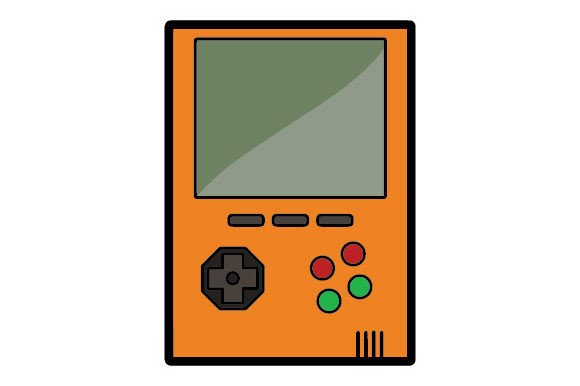
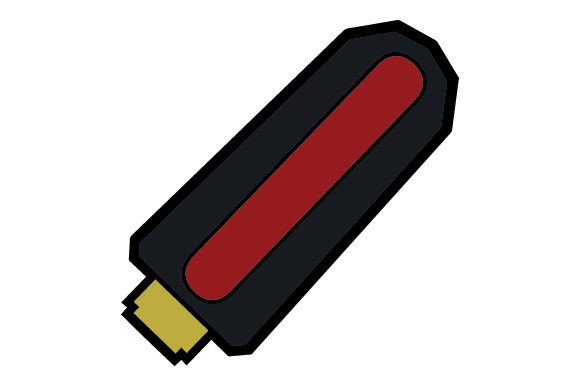
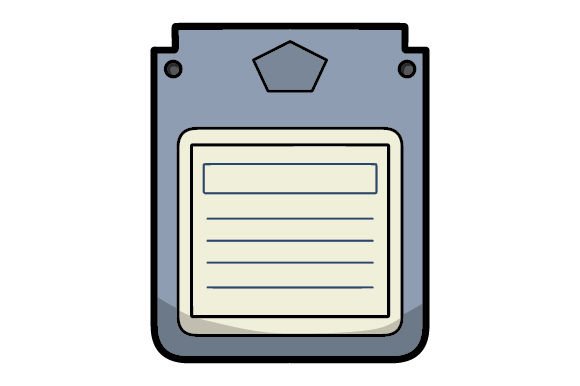
As a blog designer and digital publisher, the first thing that caught my eye about the Retro Game Memory Cartridge was its nostalgic charm. The design immediately evokes a sense of 80s and 90s gaming culture, blending pixel-perfect details with a tactile, almost handcrafted look. It's playful yet precise, making it ideal for content creators aiming to inject personality into their editorial visuals.
This graphic design asset feels like a hybrid between a digital illustration and a physical craft object—perfect for creators who want to bridge the gap between analog warmth and digital polish. It leans toward a lifestyle and entertainment editorial mood, with a strong affinity for video games, pop culture, and creative DIY niches.
How Retro Game Memory Cartridge Elevates Blog Graphics and Editorial Design
When I’m building a content calendar for a niche blog—say, one focused on retro tech, indie gaming, or digital creativity—I look for design assets that can do double duty across multiple formats. The Retro Game Memory Cartridge delivers that versatility.
- Featured images gain instant visual interest when using this asset as a background or central focus.
- Pinterest pins benefit from its bold color palette and recognizable silhouette, increasing click-through rates.
- As a social media graphic, it communicates a fun, retro vibe that resonates with Gen X and millennial audiences.
- In digital guides or eBook covers, it helps establish a thematic identity that’s both professional and personality-driven.
I’ve used it effectively in Canva templates for affiliate marketers promoting retro-themed products, and it works especially well in content upgrades like printable game checklists or vintage-inspired resource packs.
Boosting Content Performance with Strong Visual Identity
From a publishing standpoint, the Retro Game Memory Cartridge contributes to several key performance metrics:
- Stronger first impression – Its distinct look grabs attention before readers even read the headline.
- Clearer visual hierarchy – When layered with text, it naturally guides the eye from image to message.
- Better click-through potential – Especially on Pinterest and social media, where visual recognition is key.
- Consistent branding – When used across multiple blog posts or digital products, it reinforces a cohesive brand identity.
- Improved reader trust – A polished visual design signals professionalism, even in niche or indie content spaces.
Best Use Cases for This Design Asset
Based on my experience with editorial layouts and digital product design, the Retro Game Memory Cartridge shines brightest in the following applications:
- Hero images on landing pages or niche blog headers
- Article thumbnails for gaming or nostalgia-themed content
- Newsletter headers in retro or tech-focused email campaigns
- Social media previews for YouTube thumbnails, Instagram Stories, or Twitter cards
- Downloadable printables like game scorecards, retro challenge trackers, or themed worksheets
It also works well as an editorial accent—for example, in sidebars, callout boxes, or as part of a content upgrade package. When used in lead magnets, it adds visual appeal that increases opt-in conversion rates.
Where to Use This Asset with Caution
While the Retro Game Memory Cartridge is a strong visual performer, it’s not a one-size-fits-all solution. I’ve found that it can overwhelm more serious or minimalist contexts. Use it carefully in:
- Small mobile thumbnails where detail may get lost
- Text-heavy blog images that require high contrast and readability
- Low-contrast backgrounds where the design might blend in instead of stand out
- Busy layouts that already have multiple visual elements
- Corporate or academic content that demands a more formal design language
For serious professional niches like finance, law, or healthcare publishing, this design asset may not align with the tone or audience expectations.
Publisher’s Checklist: Practical Notes for Using Retro Game Memory Cartridge
Before integrating this design asset into your content publishing workflow, here are some practical steps I recommend taking:
- Test on desktop and mobile screens to ensure visual clarity across devices.
- Preview as a thumbnail to see if the key design elements remain recognizable at smaller sizes.
- Place it inside a real blog layout to assess how it interacts with headlines, body text, and navigation.
- Overlay headline text to check legibility and contrast.
- Try it in black and white to evaluate its adaptability to different color schemes.
- Pair with different fonts—especially serif, sans-serif, script, and display styles—to see how it affects overall tone.
- Review file size for SVG, PNG, EPS, and DXF versions to ensure fast loading times on your website.
- Compress images properly without losing visual fidelity.
- Confirm commercial licensing before using it in monetized content, affiliate marketing, or digital products.
Final Thoughts: A Versatile Visual for Retro-Themed Content Marketing
Overall, the Retro Game Memory Cartridge is a valuable addition to any content creator’s toolkit—especially those working in gaming, nostalgia-driven niches, or creative digital marketing. It brings a unique blend of craft-inspired detail and modern design flexibility to the table, making it easy to use across a wide range of blog graphics, social media visuals, and downloadable resources.
Whether you're designing a newsletter banner, crafting a digital guide, or building a content marketing campaign around retro culture, this asset helps your visuals stand out while maintaining a professional edge. As a digital publisher, I appreciate how it supports both creativity and conversion—two essential ingredients for successful online content.