Handheld Clamshell Game Emulator: A Designer’s Real-World Review
First Impressions: Retro Nostalgia Meets Embroidery Craft
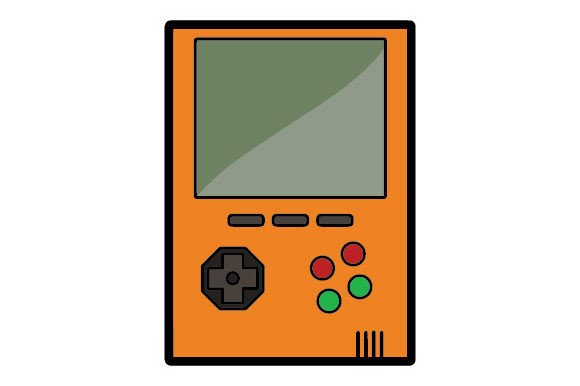
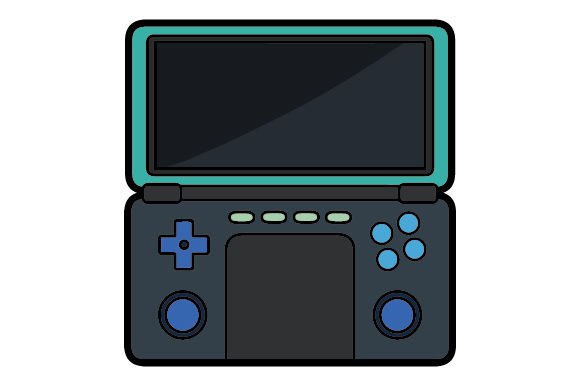
Opening the Handheld Clamshell Game Emulator design file, I was immediately struck by its playful yet clean aesthetic. It’s a clever nod to retro gaming culture, rendered in a way that feels both modern and nostalgic. The clamshell shape is instantly recognizable, and the layout balances simplicity with enough detail to make it visually engaging. This isn’t just a throwaway novelty design—it has a thoughtful structure that makes it versatile for different embroidery applications.
Where Does It Fit Best? Practical Use Cases for Real Projects
As an embroidery designer working with small businesses and Etsy sellers, I’m always looking for designs that can pull double duty across multiple product types. The Handheld Clamshell Game Emulator is a natural fit for:
- Custom embroidered tote bags for gamers and pop culture fans
- Personalized sweatshirts or hoodies for teens and adults
- Baby onesies or bibs with a playful, geek-chic twist
- Embroidered patches for jackets or bags
- Aprons and kitchen towels for retro-themed home decor
- Holiday gifts like pillow covers or embroidered blankets
Its compact size and defined lines make it ideal for both centerpieces and accent designs, especially in niche markets like boutique gaming apparel or handmade tech-themed baby gifts.
Real Embroidery Performance: What to Expect After Stitching
I tested the design on a mid-weight cotton twill for a tote bag project, and the results were surprisingly clean. The satin and fill stitches held their shape well without pulling or distorting the fabric. There’s a nice balance between open space and coverage, which helps prevent the design from looking too heavy on lighter garments.
On a baby onesie, the design scaled down nicely without losing its identity. It maintained clarity even at a smaller size, which is a win for intricate shapes like this. I also stitched it onto a dark fabric background and found the contrast worked well with standard thread choices—no need for overly bright colors to make it pop.
One thing I noticed was that the corners of the clamshell are slightly pointed, so if you’re working on curved surfaces like baseball caps or sleeves, you may need to add a bit more stabilizer to keep the shape crisp.
Where to Use It Carefully: Fabric, Fit, and Detail Considerations
While the Handheld Clamshell Game Emulator is generally well-constructed, there are a few scenarios where you’ll want to tread carefully:
- Small hoop sizes: If you’re working with a limited hoop, double-check that the design fits comfortably without crowding. You may need to resize or reposition it.
- Textured or stretchy fabrics: Knits and fleece can distort the crisp lines of the design, so use a quality stabilizer and test on a swatch first.
- Dark fabric: While it holds up well, always test thread color contrast—especially around the screen and buttons.
- Layered or thick garments: Hoodies and jackets may require additional underlay stitches to keep the design from sinking into the fabric.
- Curved surfaces: Caps and sleeves may need hoop adjustments or floating techniques to maintain shape integrity.
Design Impact: From Visual Appeal to Customer Perception
From a branding and presentation standpoint, this design brings a lot to the table. It’s got strong giftability and instantly communicates a sense of fun and nostalgia. If you’re running a craft business or Etsy shop, this kind of design can elevate your product from generic to curated.
It’s also great for customer engagement—people recognize the shape and feel a connection, especially if they grew up playing retro games. That kind of emotional resonance can lead to higher conversion rates and repeat buyers.
From a professional standpoint, the design reads clean and intentional. It doesn’t feel rushed or mass-produced, which helps maintain a sense of quality and craftsmanship in your finished product.
Designer Notes: What to Check Before You Stitch
Before you dive into production, here are a few practical checks I always run through with new embroidery files like the Handheld Clamshell Game Emulator:
- Test on scrap fabric: Always stitch a sample before committing to your final product.
- Review thread color contrast: Especially on dark or textured backgrounds.
- Check stitch density: Avoid overly tight fills that could pucker thin fabrics.
- Confirm hoop size: Make sure the design fits your machine and hoop dimensions.
- Inspect small details: Look closely at the screen and buttons—do they hold up after stitching?
- Try black and white mockups: This helps assess contrast and clarity before choosing thread colors.
- Use proper stabilizer: Especially for stretchy or textured fabrics.
- Verify licensing: Confirm whether the design is cleared for commercial use or resale of finished items.
Final Thoughts: A Versatile Addition to Your Design Library
The Handheld Clamshell Game Emulator isn’t just another cute embroidery file—it’s a functional, marketable design that works well across a range of products. Whether you’re creating custom apparel, boutique baby items, or personalized gifts, this design holds up under real-world conditions and adds a touch of personality that customers will appreciate.
As a designer who evaluates dozens of embroidery files each month, I’d definitely keep this one in my rotation. It’s clean, recognizable, and adaptable—three qualities that make a big difference when you’re trying to build a cohesive and appealing product line.