Cartoon Rock Graphics for Natural Stone Game Landscapes
First Impressions: A Playful Yet Polished Visual Element
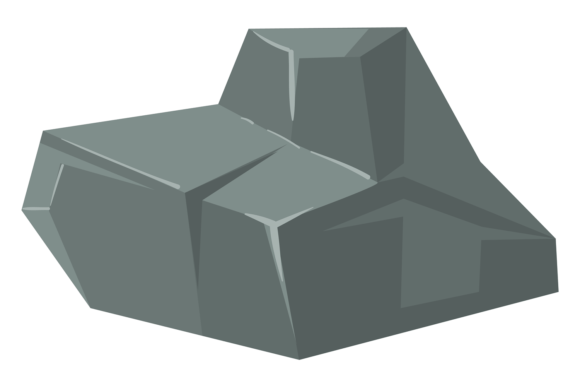
The moment I opened the Cartoon Rock. Natural Stone Game Landscape Element, I was struck by its clean, whimsical aesthetic. The design balances a hand-drawn charm with crisp digital lines, making it feel both approachable and professional. It’s not overtly feminine or seasonal, but rather versatile enough to suit a variety of editorial tones—from playful game-related content to educational materials with a visual twist. This illustration feels like it belongs in a modern blog or digital guide that wants to inject personality without sacrificing clarity.
Perfect for Visual Storytelling Across Content Types
As a blog designer, I’m always looking for design assets that can pull double or triple duty. Cartoon Rock. Natural Stone Game Landscape Element fits that bill. It works beautifully as a featured image for game-related blog posts, especially in niches like indie gaming, educational games, or creative play for kids. It’s also ideal for Pinterest graphics—its bold outlines and isolated composition make it stand out in feeds and boards.
I can see this graphic design asset being used in Canva templates for digital guides, lead magnets, or even affiliate marketing banners where a touch of illustrative flair is needed. It’s also a strong candidate for newsletter headers, social media previews, and downloadable worksheets where a consistent visual identity is key to reader recognition.
How Cartoon Rock Elevates Editorial Quality and Reader Trust
Visual communication is more than decoration—it’s about guiding the reader’s eye and building trust through professionalism. Cartoon Rock helps establish a clear visual hierarchy when used as a header image or layout accent. It adds editorial polish without overwhelming the content, which is crucial for maintaining reader focus.
When readers see a blog post or digital product with cohesive, high-quality visuals like this, they’re more likely to perceive the content itself as credible and well-crafted. That’s especially important for affiliate marketers, online educators, and small business owners who rely on visual trust signals to convert casual readers into customers or subscribers.
Where Cartoon Rock Shines: Real-World Publishing Applications
- Hero images – Use as a central visual anchor for game-related landing pages or niche resource hubs.
- Article thumbnails – Its bold lines and natural theme make it eye-catching in content feeds.
- Pinterest pins – Works well as a central image with overlay text for strong click-through potential.
- Blog graphics – Perfect for section dividers, callouts, or visual summaries in long-form content.
- Newsletter headers – Adds a branded, editorial feel to email campaigns without being too busy.
- Social media previews – Ideal for Instagram Stories or Facebook posts that highlight blog content or digital downloads.
When to Use It with Caution: Design Limitations and Considerations
While Cartoon Rock is visually appealing, it’s not a one-size-fits-all solution. It may not be the best choice for small mobile thumbnails where detail gets lost. In text-heavy blog images, it could compete with headline copy if not properly balanced. It’s also best avoided in serious professional niches like finance or legal services, where a more minimalist or corporate aesthetic is expected.
If you’re building a website with a very minimal visual system, this graphic might clash with the overall tone. Always preview it in context before finalizing its use across your brand assets.
Publisher’s Checklist: Practical Tips Before Deployment
Before publishing with Cartoon Rock. Natural Stone Game Landscape Element, here are a few key tests I always run:
- Test on desktop and mobile – Ensure it scales well and remains recognizable on small screens.
- Preview as a thumbnail – Make sure it’s still legible and visually engaging at reduced sizes.
- Place in a real blog layout – See how it interacts with headers, body text, and other design elements.
- Overlay with headline text – Check for readability and contrast, especially on JPG or PNG versions.
- Try it in black and white – This helps assess its contrast and visual structure independently of color.
- Pair with different fonts – Test with serif, sans serif, script, and display fonts to see which combinations feel most cohesive.
- Review file size – Compress images for faster load times, especially if using on high-traffic blog posts or landing pages.
- Verify commercial licensing – Confirm that the design asset includes a commercial license before using it in monetized content or digital products.
Boosting Content Performance with Strategic Design
Using a well-crafted graphic like Cartoon Rock can significantly improve content performance. It enhances the first impression of your pages, supports a stronger visual identity, and makes your blog or digital product feel more polished. It also improves category recognition—especially if used consistently across a content series or resource library.
For bloggers and digital marketers, this translates into better click-through rates from social media and email newsletters. For online educators and creative entrepreneurs, it means more engaging downloadable resources and lead magnets. And for website owners, it contributes to a unified brand experience that readers can easily recognize and trust.
Final Thoughts: A Versatile Illustration for Modern Content Creators
Cartoon Rock. Natural Stone Game Landscape Element is more than just a cute graphic—it’s a flexible editorial tool that supports a wide range of publishing goals. Whether you’re designing a new Canva template, updating your blog’s visual style, or creating a digital guide for your audience, this illustration can help elevate your work from amateur to professional.
If you’re a content creator, affiliate marketer, or small business owner looking to build a more clickable, trustworthy brand presence online, this design asset is definitely worth considering. Just remember to test it thoroughly, pair it thoughtfully with your typography and layout, and ensure it aligns with your overall brand identity before going live.